National News


DDC Business Grows 50%, Farmer Payments Improve as Expansion Plans Gather Pace
The government says the Dairy Development Corporation has boosted sales, reduced outstanding payments to farmers, and is preparing to expand exports and production.
3 months ago

Global Oil Prices Fall as OPEC Agrees to Raise Output from August
Brent and WTI crude prices declined after OPEC approved a production increase, raising expectations of improved global oil supply.
3 months ago
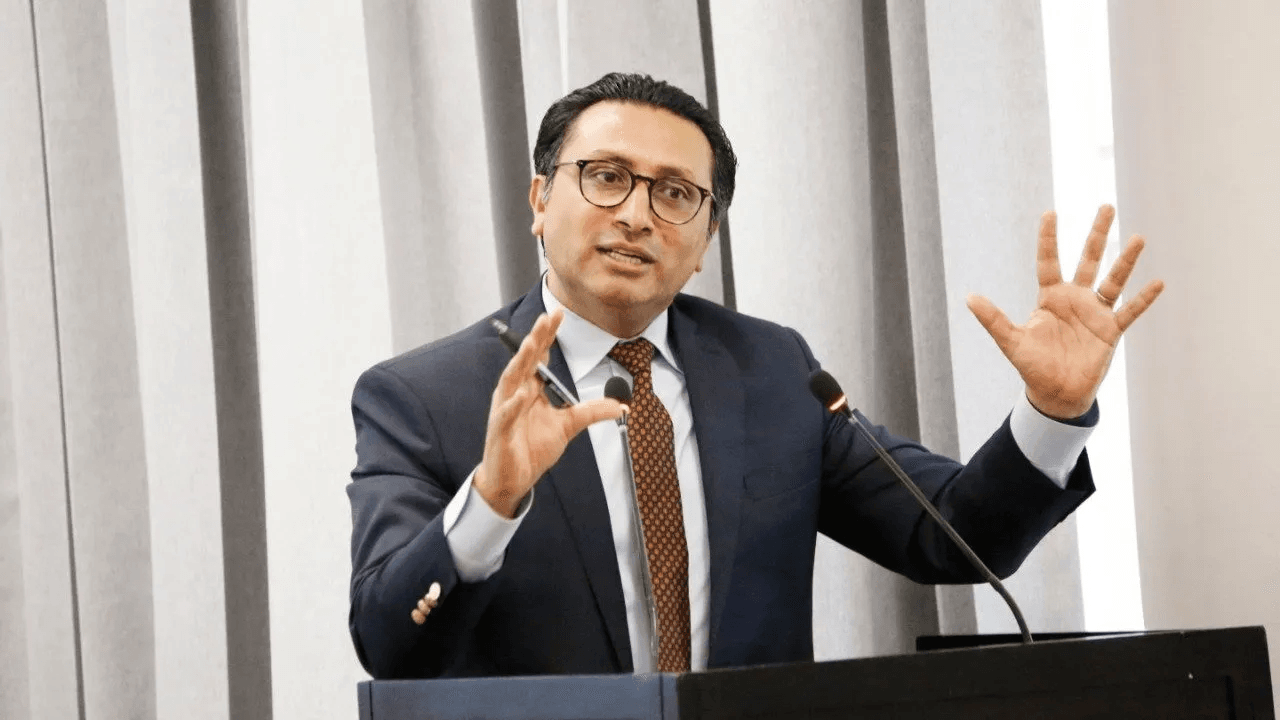
Finance Ministry Unveils Key Achievements in Minister Wagle's First 100 Days
Nepal's Ministry of Finance has released a 100-day progress report highlighting legal reforms, digital transformation, governance initiatives, foreign aid agreements, and measures to improve public services under Finance Minister Dr. Swarnim Wagle.
3 months ago
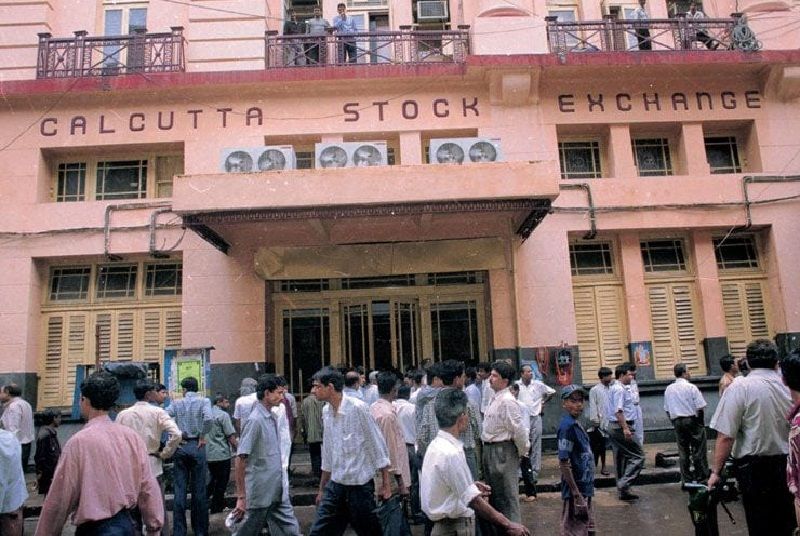
After a Decade of Silence, Kolkata Stock Exchange Eyes a Comeback
Once one of Asia's leading financial hubs, the Kolkata Stock Exchange is making a renewed push to resume operations after more than a decade, aiming to modernize its platform and revive trading for thousands of listed companies and stranded investors.
3 months ago
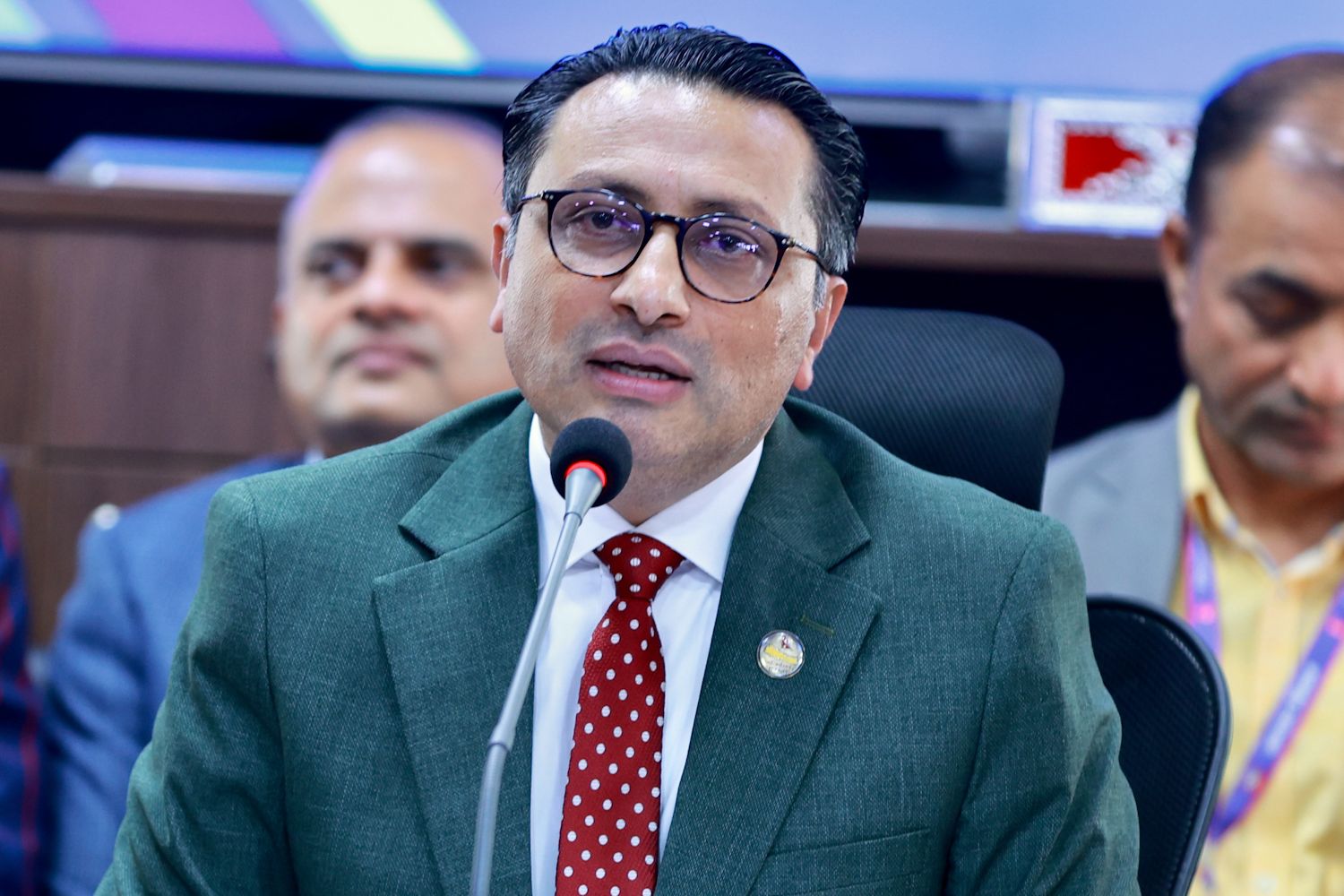
Parliamentary Finance Committee to Discuss Monetary Policy Today
The Finance Committee of Nepal's Federal Parliament is holding a meeting on Sunday to discuss priorities for the monetary policy for fiscal year 2083/84 with experts and key stakeholders.
3 months ago

Nepal Government Unveils 100-Day Achievements, Highlights Ministry Restructuring
The government led by Prime Minister Balendra "Balen" Shah has released its 100-day progress report, citing the reduction in the number of federal ministries and major policy reforms as key achievements.
3 months ago
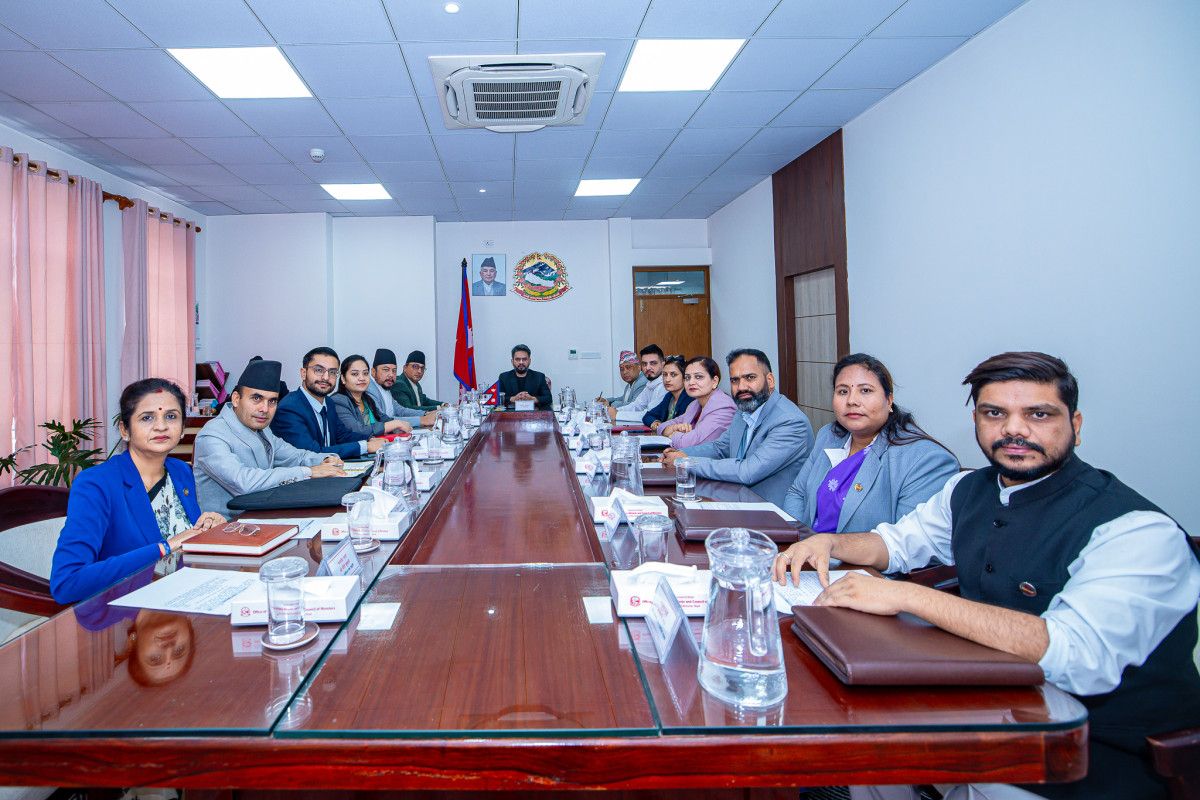
National Assembly to Discuss Budget, Key Financial Bills Today
The National Assembly will discuss the Appropriation Bill, 2083, along with key economic and debt-related bills, as lawmakers review the government's spending priorities for the upcoming fiscal year.
3 months ago

Constitutional Council to Meet Today for Key Constitutional Appointments
The council is set to discuss recommendations for filling vacant positions in various constitutional bodies.
3 months ago

Kathmandu Valley to Roll Out Free 'Blue Bus' Service for Women Starting July 17
As part of its 100-point governance reform agenda, the government is set to launch a dedicated, free "Blue Bus" service for women in the Kathmandu Valley, deploying an initial fleet of eight buses across three high-traffic routes.
3 months ago
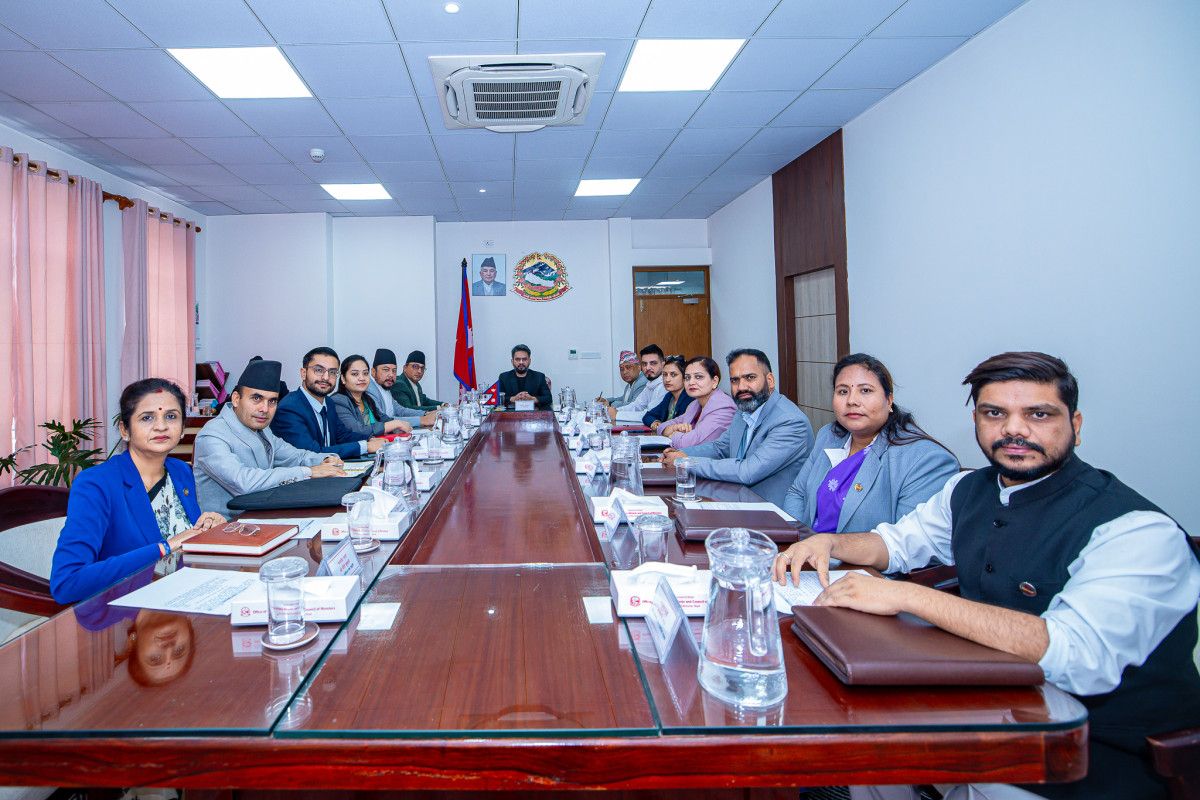
Nepal Government Greenlights Landmark UN Treaty, New National Policies, and High-Profile Appointments
In a major Thursday session, Nepal’s Cabinet approved the tabling of a critical UN ocean treaty in Parliament, ratified four sweeping national policies for 2083 BS, and executed sweeping leadership shakeups across the Nepal Police and top public corporations.
3 months ago
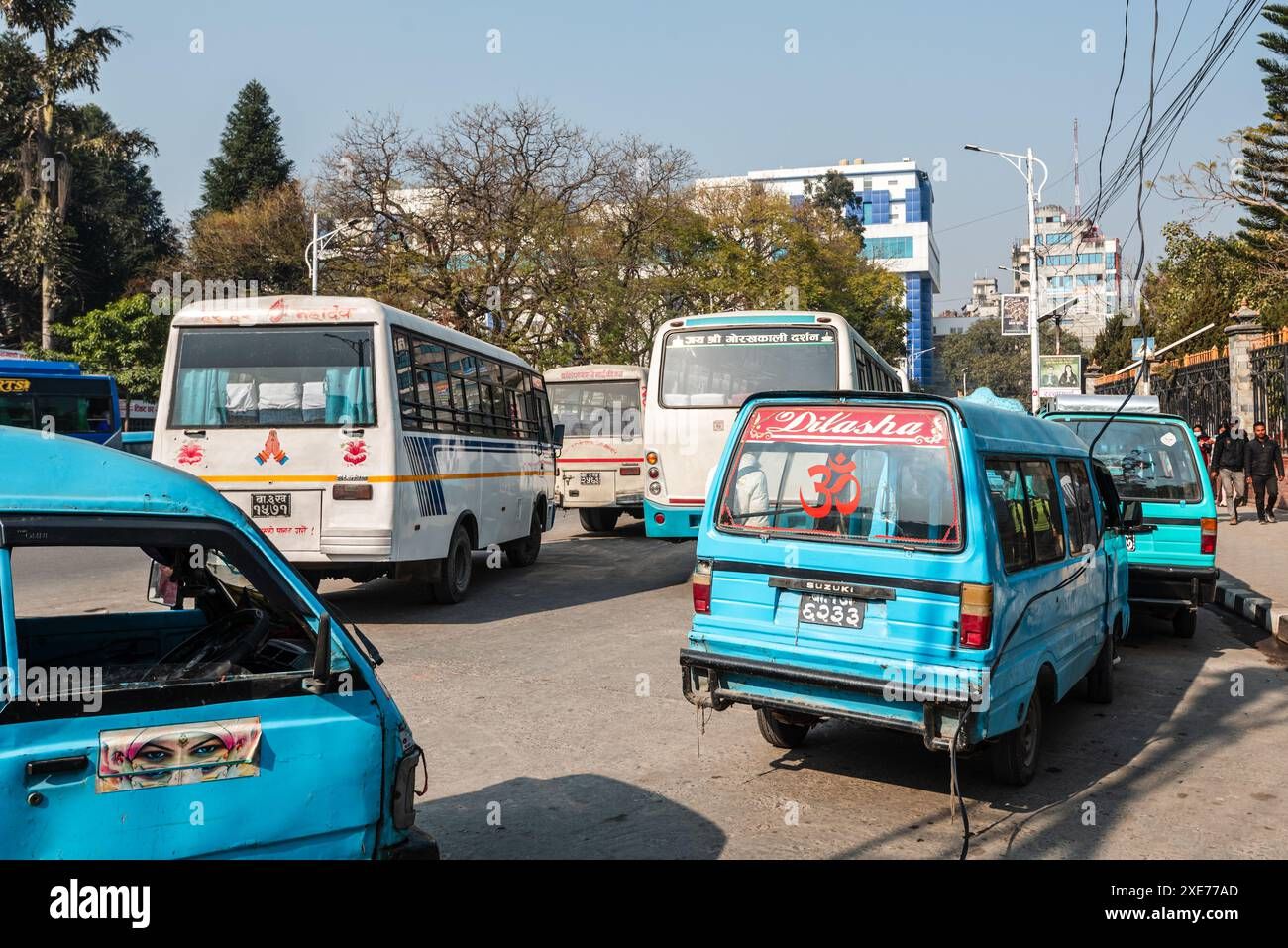
Government Rolls Back Public Transport Fares by 2% as Energy Pressures Ease
Following a 5% hike earlier this year, regulatory authorities readjust long-distance passenger fares downward to match stabilizing fuel markets.
3 months ago
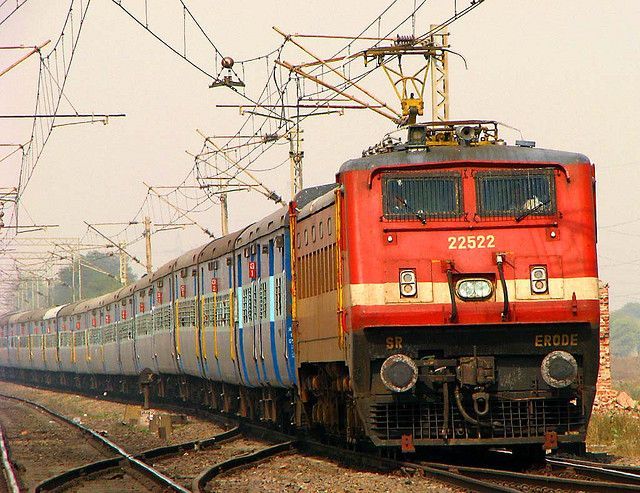
Indian Railways to Overhaul Reservation System: Ticket Booking Capacity to Surge 5-Fold to 125,000 Per Minute
Indian Railways is set to completely upgrade its passenger reservation system, boosting its ticket-processing capacity from 25,000 to 125,000 tickets per minute to eliminate website crashes and delays during peak booking hours.
3 months ago